Room Service Menu Descriptions That Sell: A Guide
How to write room service menu descriptions that sell: ideal length, ingredients, origin, portion size, allergens, plus good and bad example lines.
By the Roomtray team 6 min read
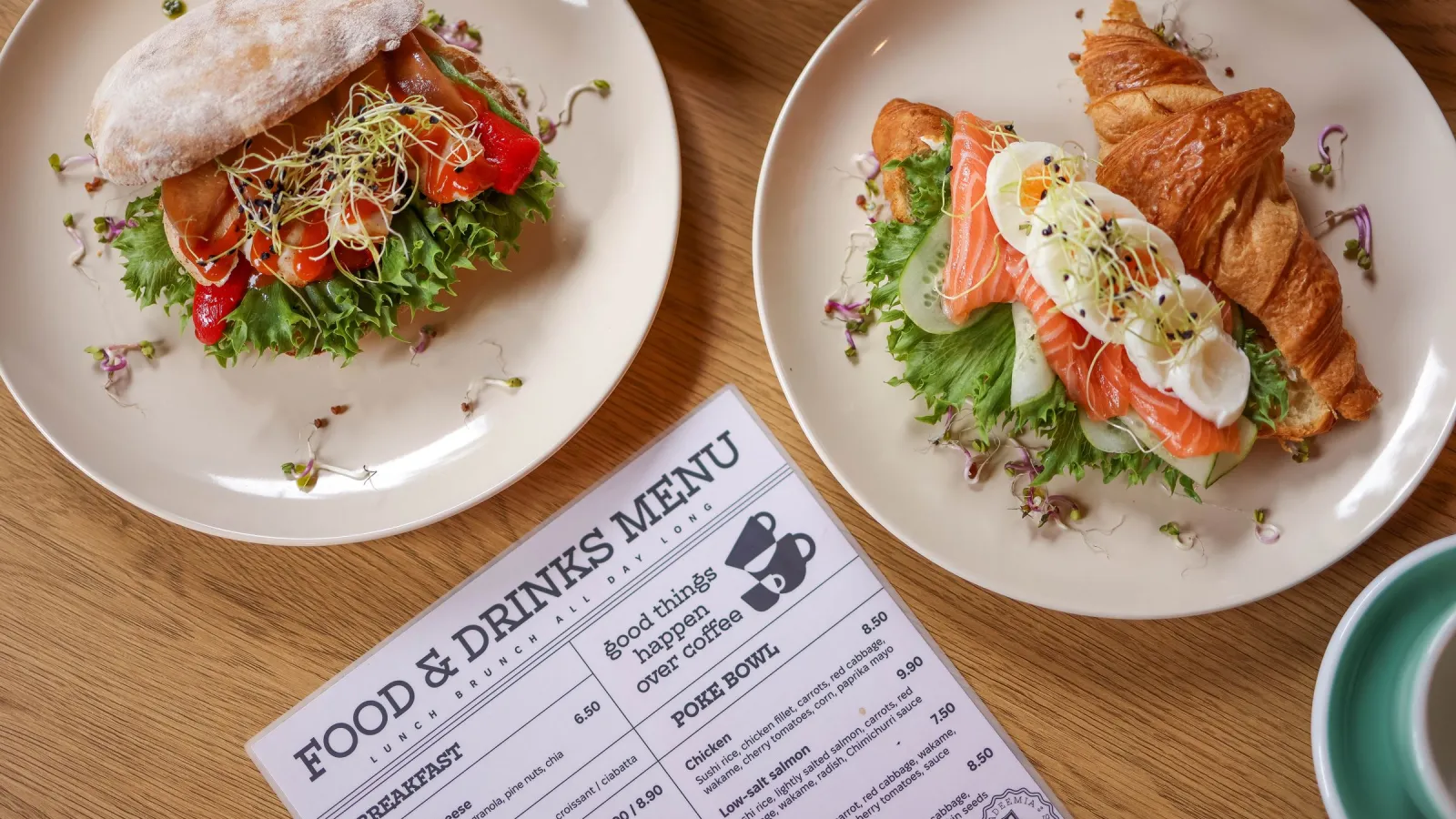
A guest who opens a room service menu at 21:40 is usually tired and often reads in a second language. Good room service menu descriptions answer the questions that guest would ask a waiter: what is in the dish, how big it is, how it arrives and whether they can eat it. This guide shows how to write dish descriptions for an in-room menu that stay short and honest and still make people want to order.
Why in-room menus need different descriptions
In a restaurant, a waiter fills the gaps: the soup is spicy, the burger comes with fries. In a room, the guest has only your text and maybe a photo. If the line is vague, the guest calls reception or orders nothing.
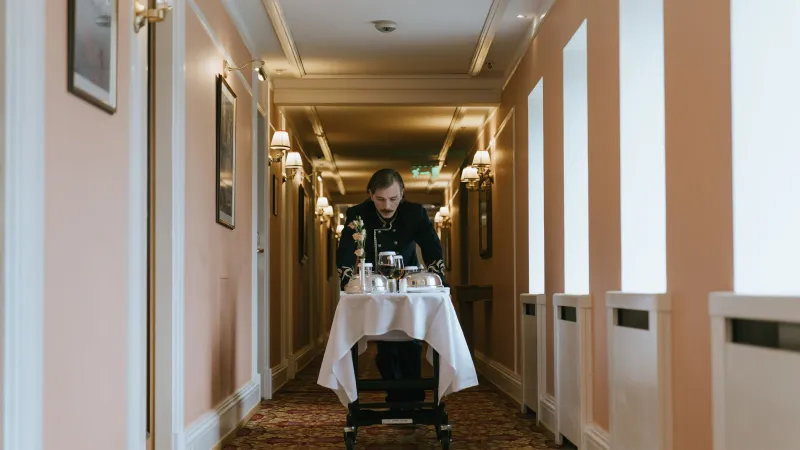
Room service also has transport. A dish travels a few minutes on a tray, and a guest who knows what will arrive (a covered plate, a bowl, a box) is less likely to be disappointed.
The structure of a good line
A pattern that works for almost every dish:
- Name: plain and recognizable
- Main ingredients: three to five, in order of importance
- One detail that makes it yours: origin, cooking method or house recipe
- Portion: weight, pieces or "for two"
- Markers: allergen codes, vegetarian, spicy
Example:
Beef goulash with bread dumplings Slow-braised beef shoulder, onion, sweet paprika, marjoram. Our chef's recipe, cooked since the morning. 250 g meat with 4 dumplings. Allergens: 1, 3, 7, 9.
That is around 30 words, which is close to the maximum you want on a phone screen.
How long should a description be
On a phone, guests scroll a list, and long paragraphs push the next dish off the screen. Practical limits:
| Element | Recommended length |
|---|---|
| Dish name | 2-6 words |
| Description | 10-25 words, one or two short sentences |
| Portion | one fact: grams, pieces or ml |
| Allergens | codes or icons, not a sentence |
Drinks can be shorter: "Fresh orange juice, 0.3 l, squeezed to order" is enough. If a dish needs 50 words of explanation, the name is probably the problem.
Ingredients: what to list and what to skip
List what the guest will taste and what decides the choice. Skip what every version of that dish contains anyway.
- List the protein, the sauce and the side.
- List anything spicy and anything people often dislike: coriander, blue cheese, raw onion, olives.
- List anything that changes the dish from the classic: Caesar salad without anchovies, carbonara with cream.
- Skip salt, oil, vague "fresh herbs" and garnish nobody will notice.
A simple test: if a guest would be surprised to find an ingredient on the plate, it belongs in the description.
Origin and story: one fact is enough
Local origin sells, especially to international guests who want to taste the region. One concrete fact beats a row of adjectives.
- Weak: "Delicious traditional homemade local cheese plate"
- Better: "Three cheeses from a farm in the Šumava foothills, with walnut bread and pear chutney"
If you name a supplier or a region, it has to be true every day. If you sometimes buy elsewhere, write "regional cheeses".
Portion size: the most underrated line
Room service guests order for a situation: a light snack before sleep or a full dinner after a late flight. Portion information helps them choose and cuts "I expected more" complaints.
Ways to show portion:
- weight of the main component: "180 g chicken breast"
- pieces: "6 pieces", "2 slices"
- volume for soups and drinks: "300 ml"
- simple labels: "light", "for sharing"
A club sandwich needs no number. Steaks, salads and soups do.
Allergens and dietary markers
In the EU, food businesses must provide information on the 14 major allergens under Regulation (EU) No 1169/2011, and that includes hotel room service. On an in-room menu, the cleanest approach is a short code or icon per dish and one legend for the whole menu, not a full sentence in every description. Use the same symbols for vegetarian, vegan and spicy dishes everywhere. For details on the 14 allergens and how to present them, read our guide to allergens on a hotel menu.
Don't hide allergens inside the prose. If the dessert comes "with a hint of toasted hazelnut", hazelnut also goes into the allergen codes.
Words that help and words that hurt
Useful words describe method or texture: grilled, slow-braised, crispy, smoked, creamy, served warm, chilled, house-made (if true).
Empty words: delicious, tasty, amazing, perfect, exquisite. Every menu uses them, so they say nothing.
Risky words: "fresh" for something frozen, "homemade" for bought desserts, "organic" without certification. Misleading food information is not allowed under EU rules, and "organic" is a legally protected term.
Good and bad lines: examples
| Weak line | Better line |
|---|---|
| Caesar salad | Caesar salad with grilled chicken: romaine, parmesan, croutons, anchovy dressing. 300 g. Allergens: 1, 3, 4, 7 |
| Delicious homemade burger with fries | Beef burger, 180 g patty, cheddar, pickles, brioche bun, with fries. Allergens: 1, 3, 7, 10, 11 |
| Soup of the day | Soup of the day, 300 ml, with bread. Today: pumpkin cream with roasted seeds |
| Traditional dessert | Apple strudel with vanilla sauce, served warm. Allergens: 1, 3, 7, 8 |
| Club sandwich (very tasty!!!) | Club sandwich: chicken, bacon, egg, tomato, lettuce, toasted bread. 4 pieces with crisps |
Lines that only room service needs
A few details matter only when food travels to a room:
- How it arrives: "served in a covered bowl", "fries may soften slightly on the way". Honest notes like this reduce complaints.
- Preparation time for slow dishes: "about 30 minutes".
- Availability: "until 22:00", "weekends only".
- What comes with it: bread, sauces, cutlery. A guest in a room cannot ask the next table for ketchup.
Writing for guests in several languages
Write the source text in short, simple sentences, then translate. Puns and local idioms rarely survive translation.
Keep local dish names and add an explanation: "Svíčková: beef sirloin in creamy root vegetable sauce, with bread dumplings." Ask a native speaker to check the languages your guests use most.
Checklist before you publish
- Every dish name is recognizable or explained
- Descriptions stay within 10-25 words
- Ingredients a guest might dislike are named
- Portion is shown where it matters
- Allergens are marked with codes or icons, with a legend
- No "delicious", "amazing" or "perfect"
- Origin claims are true every day
- Slow or limited dishes show time and availability
- You have read the whole menu on a phone, not a laptop
Putting it into practice
Rewriting a 30-item menu takes about an afternoon. Do it with the chef, who knows what actually goes on each plate. Start with the ten best sellers, then the dishes nobody orders: sometimes a dish doesn't sell only because its description is unclear.
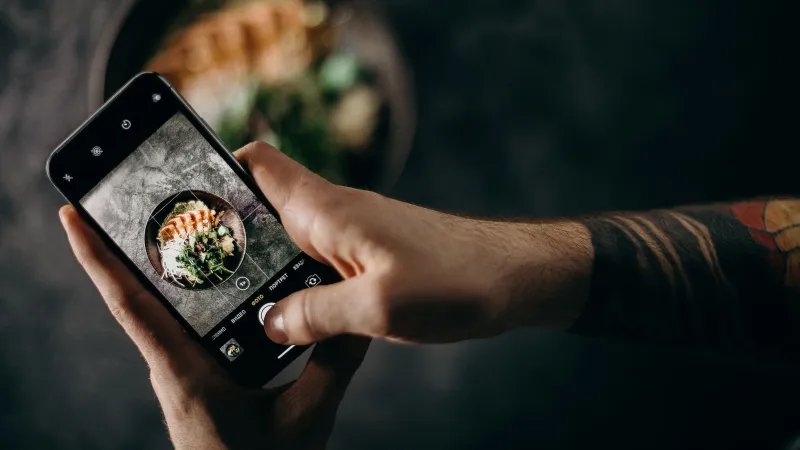
On a digital menu you fix a line in minutes instead of reprinting. In Roomtray each dish has its own fields for description, portion and allergen markers, and the multilingual menu shows every guest the text in their own language. Good photos matter as much as good text, so the next step is photographing your menu with a phone.