Upselling Room Service Without Being Pushy
Practical room service upselling for small hotels: pairings, add-ons, timing and wording that guests accept, with menu examples and mistakes to avoid.
By the Roomtray team 6 min read
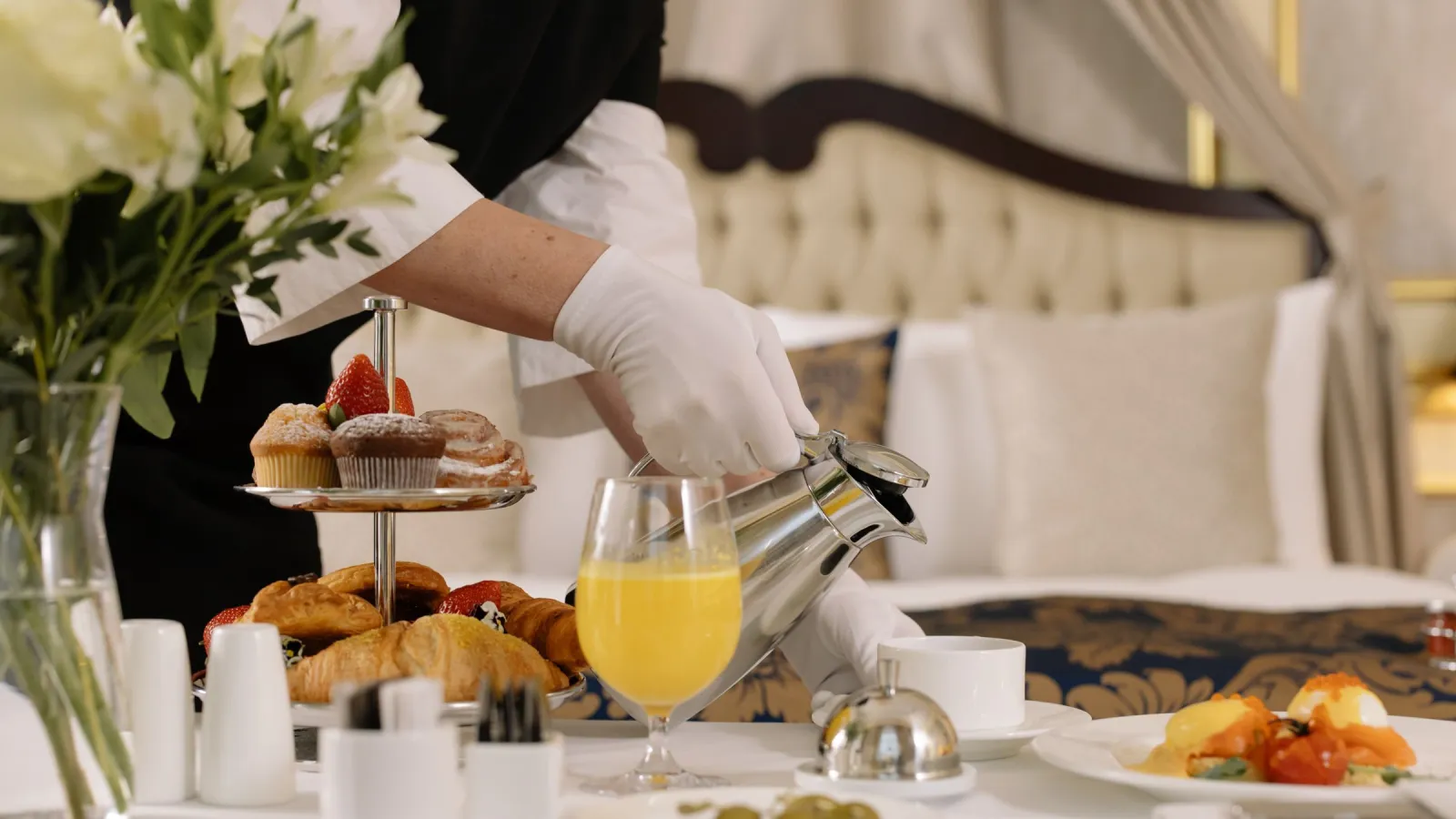
Upselling room service has a bad reputation because most people picture a waiter reading a script. In a small hotel it works differently. A good upsell is a suggestion that makes the order better for the guest: the right drink with a dish, a side that turns a snack into a meal, a dessert offered at the moment someone is actually tired and staying in. When the suggestion fits, guests take it and thank you for it. When it does not fit, it feels like pressure, and the guest remembers that instead of the food.
Why room service upselling is different from restaurant upselling
In room service the guest is alone with a menu, often on a phone, usually tired, sometimes in a foreign language. Nobody explains that the soup is small or that the burger comes without fries. So the menu itself has to do the selling, and every suggestion must be written into it. Guests are also more cautious: they cannot see the plate and pay on the room bill without a total in front of them. Anything that looks like a trick makes them order less.
So the goal is clarity first, suggestion second. A guest who understands what they get is more likely to add something.
Pairings: the upsell guests accept most easily
Pairings work because they solve a real question: "what goes with this?" A guest ordering a steak sandwich at 21:00 is already thinking about a drink. If the menu answers that question, you get the sale without any push.
Good pairings are specific and short. Compare:
| Weak line | Better line |
|---|---|
| "Drinks available" | "Goes well with: Pilsner 0.5 l, €4.50" |
| "Try our wines" | "Glass of Grüner Veltliner, 0.15 l, €6" |
| "Add dessert?" | "Finish with: apple strudel, warm, €5" |
Rules that work in practice:
- One pairing per dish. Two at most if one is non-alcoholic.
- Always offer a non-alcoholic option next to the alcoholic one. Many guests skip alcohol in the room, and a fresh lemonade or a good juice sells just as well.
- Show the price in the pairing line. A hidden price is the fastest way to lose trust.
Add-ons that increase the order without changing it
Add-ons are small extras attached to a dish: extra bacon, a side salad, fries instead of bread, a second coffee. They are easy to accept because they do not ask the guest to make a new decision. The guest has already chosen the main item and is only adjusting it.
Useful add-ons for a small hotel kitchen:
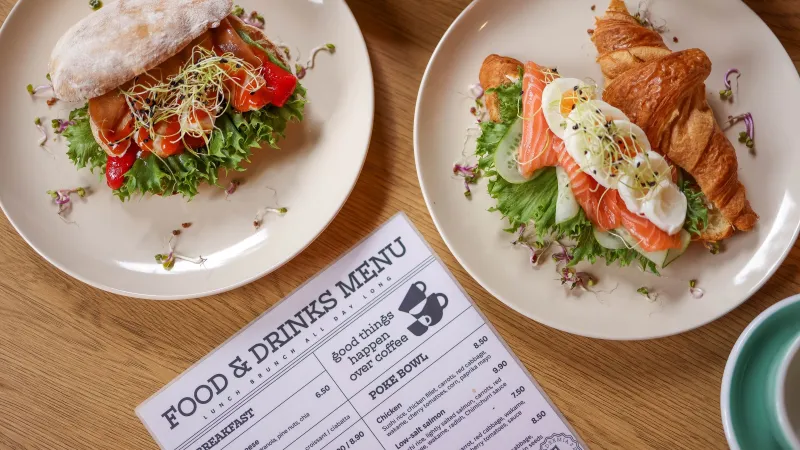
- Breakfast: extra egg, smoked salmon, fresh orange juice instead of packaged, a second hot drink.
- Burgers and sandwiches: fries or wedges, extra cheese, side salad.
- Pasta and mains: extra parmesan, garlic bread, a small green salad.
- Late evening: a cheese plate or a bowl of nuts with a drink order.
Keep add-ons to two or three per dish, priced in round, small amounts such as €1.50 or €2. A long list of options slows down ordering.
Check that the kitchen can actually deliver each add-on at all hours the dish is available. An add-on that comes back as "sorry, no salmon tonight" costs more goodwill than it earns. The article on Room Service Menu Descriptions That Sell: A Guide explains how to write these lines so they read naturally.
Timing: when a suggestion feels helpful
The same offer can feel thoughtful or pushy depending on when it appears.
Before the order: a "chef's suggestion" marker on two or three dishes steers undecided guests to dishes with good margins and reliable quality.
During the order: this is where pairings and add-ons belong. The guest is looking at a dish and deciding. A short suggestion right next to the dish is the most natural moment.
At checkout of the order: one last suggestion before the guest confirms, for example "Add a bottle of water for the night? €2". Use one item only. A second screen of offers feels like an obstacle.
After the order: do not upsell. Further contact is only about delivery time.
Time of day matters too. A dessert suggestion at 13:00 rarely works. At 21:30 it often does. If your menu can show different suggestions for breakfast, daytime and evening, use that.
Wording: how to suggest without pressure
Wording is where most upselling goes wrong. Some patterns to use and some to avoid:
Do:
- Describe, do not command. "Goes well with a glass of Riesling" reads better than "Order a Riesling now!"
- Be concrete. "Warm chocolate cake with vanilla ice cream" sells. "Something sweet?" does not.
- Keep the price next to the suggestion.
Don't:
- Use fake urgency like "only 2 left" when it is not true.
- Pre-select add-ons so the guest must remove them. This feels like a trap and may cause disputes at check-out.
- Add exclamation marks and capital letters. They make a hotel menu look like a discount flyer.
By phone the same rules apply: one suggestion, as a question, with the price. "Would you like fries with that? It is €3."
Bundles and set offers
Bundles are a calm form of upselling. Instead of suggesting extras one by one, you offer a ready combination at a fair price. Examples that work in small hotels:
- Movie night: popcorn or nachos, two soft drinks, chocolate. For example €12.
- Romantic evening: a bottle of sparkling wine, strawberries or a cheese plate.
- Breakfast in bed: a set breakfast with a choice of hot drink and juice.
Price the bundle slightly below the sum of its parts so the guest sees a clear benefit, and keep the content fixed so the kitchen can prepare it quickly. Two or three bundles are enough. More becomes a second menu.
What guests usually accept, and what they refuse
In daily work at the front desk and in the kitchen, some patterns repeat:
- Drinks with food are the easiest addition.
- Sides that complete a meal (fries, salad, bread) are accepted when the main dish looks small.
- Desserts sell late in the evening and to families.
- Upgrades to "premium" versions of the same dish sell only when the difference is clear, for example "with 200 g beef instead of 150 g".
- Guests refuse anything that looks like a hidden fee or a forced extra.
After a month, check which add-ons were never ordered and remove them. For the bigger picture on income from in-room orders, see How a Small Hotel Can Earn More From Room Service.
Making it easy to pay for the extras
An upsell is finished only when it is paid without friction. Extras on the room bill must appear at check-out with the same names and prices as on the menu. One dispute over an unclear line can cancel the profit of many add-ons.
In Roomtray, pairings and add-ons are part of each dish in the QR menu, shown in the guest's language, and every confirmed order goes to the room bill with its items itemised through Room charges. If you want to see how suggestions look from the guest side, open the demo menu on your phone.