Apart-Hotel Food Without a Restaurant: 5 Practical Models
How apart-hotels and guesthouses can offer food without a restaurant: partner kitchens, breakfast boxes, a small shop, ready meals and hygiene basics.
By the Roomtray team 6 min read
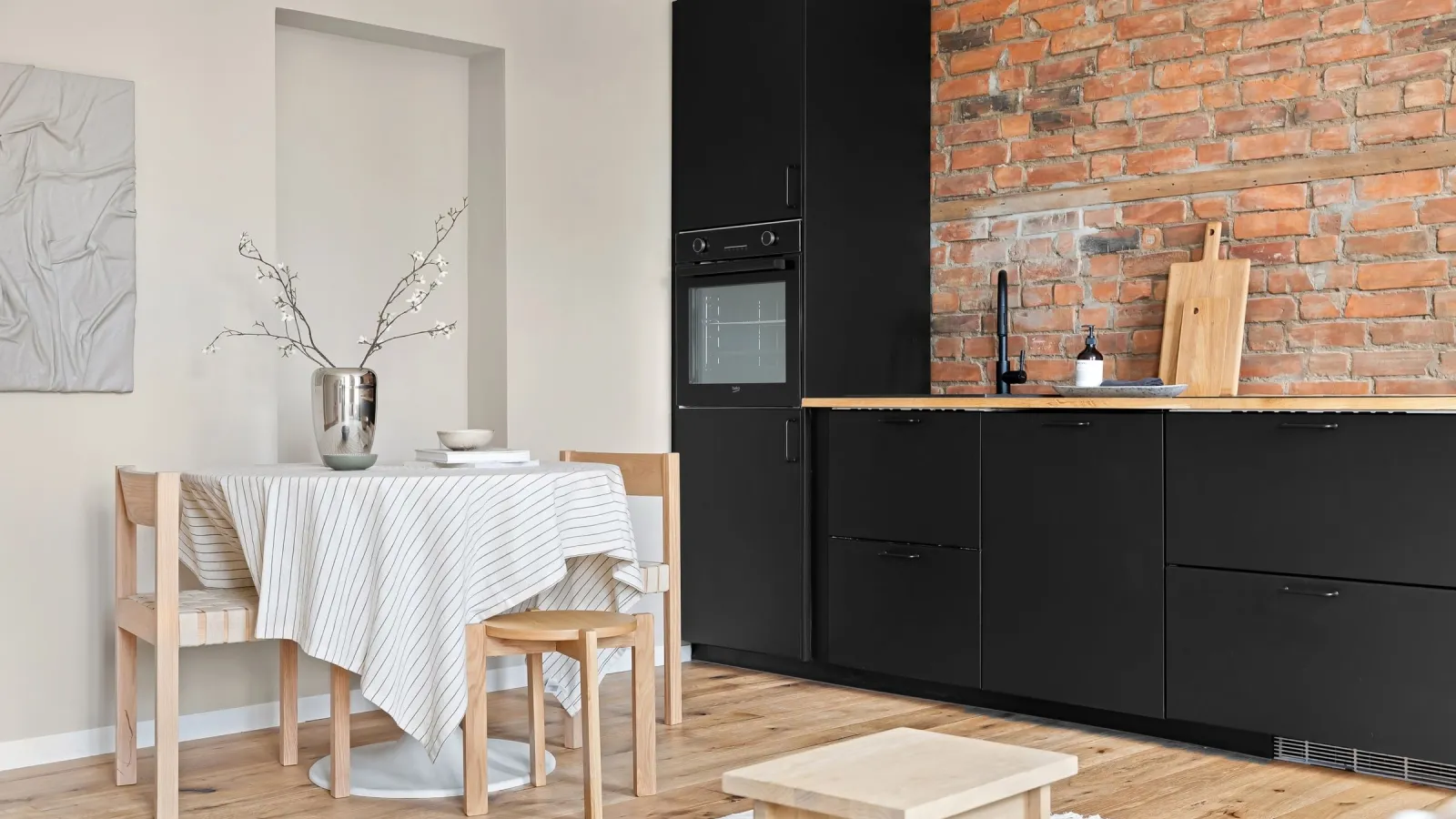
Most apart-hotels and guesthouses have no restaurant, no chef and no wish to open one. Yet guests still ask the same questions every evening: "Can we get breakfast?", "Is there anything to eat after 22:00?", "Do you sell water?" Offering apart-hotel food without a restaurant is possible, and it does not require a commercial kitchen in most cases. It requires a clear model, a few suppliers and a simple way for guests to order.
Below are five models that work in small properties, what each one costs you in effort, and the hygiene basics to keep in mind.
Why food matters even when guests have a kitchenette
A kitchenette does not mean guests want to cook. A couple arriving at 21:30 after a long drive will not go shopping. A business guest wants coffee and something warm before an 8:00 meeting. Families want milk and cereal on the first morning, before they have found the nearest supermarket.
If you do not offer anything, guests order delivery to the door, leave packaging in the room and sometimes write in reviews that "there was nothing nearby". If you offer a small, reliable selection, you get extra revenue per stay, fewer questions at reception and a better impression on the first and last day.
Model 1: Partner kitchen nearby
A restaurant, bistro or bakery within a few minutes' walk prepares a short menu for your guests. You agree on:
- A fixed menu of 8 to 15 items that travel well (soups, pasta, sandwiches, salads, simple mains). Skip fries and anything crispy that turns soft in 10 minutes.
- Price and margin. Either the partner gives you a commission, or you buy at an agreed price and add your markup. Write it down.
- Delivery. The partner's staff bring it to reception, or your staff pick it up. Decide who carries the tray to the room.
- Hours. Most partners close the kitchen at a set time. Your menu must show the same hours.
- Allergens. The partner is responsible for the recipe, so ask them for allergen information per dish and keep it updated.
This model works well in city centres. The main risk is dependence on one partner. If their kitchen is full on a Saturday night, your guest waits 70 minutes. Agree on a maximum delivery time and what happens when they cannot meet it.
Model 2: Breakfast boxes ordered the evening before
Breakfast is the easiest meal to sell in an apart-hotel. Guests decide the evening before, you order from a bakery or caterer in the morning, and the box is at the door at the chosen time.
A good breakfast box contains:
- fresh pastry or bread, butter, jam
- yoghurt or cheese, some fruit
- juice, plus coffee or tea if the apartment has a machine or kettle
- optional add-ons: eggs, ham, a vegan option, a gluten-free roll
Set a clear cut-off time, for example orders until 20:00 for delivery between 7:00 and 10:00. Keep the cold items cold: if boxes are prepared early, store them in a fridge until delivery. More on timing and cut-offs in our guide to pre-ordering breakfast in the room.
Model 3: Mini shop or honesty shelf
A shelf or fridge near reception, or a small selection in each apartment, covers the "I just need water and something sweet" moment. Typical items:
- water, soft drinks, beer and wine (check local licensing for alcohol)
- crisps, nuts, chocolate, biscuits
- instant noodles, porridge cups, coffee capsules
- basics: milk, toothbrush, phone charger, sunscreen
Guests can pay at reception, with a card terminal, or have it charged to the room. The key is that every item has a clear price and the stock is checked daily. An empty fridge with a price list looks worse than no fridge at all.
Model 4: Frozen and ready meals
If apartments have a microwave or oven, packaged ready meals from a reputable producer are a safe option for late arrivals. You do not cook anything: you store, sell and hand over sealed products with their original labels.
What to watch:
- buy from suppliers who label ingredients, allergens and shelf life
- keep a freezer or fridge with a thermometer and check it daily
- rotate stock so the oldest product goes first
- write simple heating instructions in the guest's language
A pizza, a lasagne, a vegetable curry and a soup already cover most late-night requests.
Model 5: Combine two or three
Most properties end up with a mix. A typical set-up for a 25-apartment house could look like this:
| Model | Effort for you | Margin | Main risk |
|---|---|---|---|
| Partner kitchen | Low | Medium (commission) | Partner is slow or closed |
| Breakfast boxes | Medium | Good | Wrong count, late delivery |
| Mini shop | Low | Good | Empty shelves, expired items |
| Ready meals | Low | Medium | Cold chain, labelling |
Start with the one your guests ask about most. In many apart-hotels that is breakfast, then late-night snacks.
Hygiene and legal basics: keep it general, check locally
Rules for selling food differ by country and sometimes by city, so take this as a starting checklist and confirm the details with your local food authority or a consultant.
- Registration. In many EU countries, selling or handing out food may require registration with the food authority, even without cooking. Ask before you start.
- Food safety principles. Even a small operation should follow basic HACCP-style thinking: know where food comes from, keep it at the right temperature, record checks, and remove expired products.
- Temperature logs. A simple paper sheet next to the fridge with date, time, temperature and initials is often enough for a small property.
- Allergens. Guests must be able to find out which of the 14 major allergens a product contains. Packaged products carry this on the label. For partner dishes, ask the partner. See our overview of the 14 EU allergens on a hotel menu.
- Alcohol. Selling alcohol often needs a separate permission. Check before you put wine in the shop.
- Separation. If staff handle food, they need clean hands, clean surfaces and a place away from cleaning chemicals.
When you work with a partner kitchen or buy sealed products, most food safety duties stay with the producer. Your job is storage, delivery and honest information.
Making it easy for guests to order
The model only works if guests know it exists. A paper flyer gets lost. A QR code in each apartment that opens a menu in the guest's language solves this: breakfast boxes with a cut-off, the partner menu with hours, shop items with prices. A multilingual menu matters a lot in apart-hotels, where guests often never meet staff in person.
Payment is the second friction point. Asking for cash at the door is awkward. Charging food to the stay and settling it at check-out is simpler for everyone, which is what room charges in Roomtray are for.
Roomtray lets you put all of this into one menu: partner dishes, breakfast boxes and shop items. Staff get each order on a tablet and in Telegram, and the free plan covers properties up to 15 rooms.